Signs You Have a Stinkbug Infestation Indoors
If you're noticing signs you have a stinkbug infestation indoors, local contractors can provide effective treatment options to eliminate the pests and prevent future invasions.
If you’ve noticed an increase in the number of stinkbugs inside your home, it’s important to recognize the common signs that may indicate an infestation. These pests often seek shelter during the cooler months, slipping in through small cracks and gaps around windows, doors, or vents. You might find them clustered in corners, on window sills, or even hiding behind furniture. Unpleasant odors or the presence of shed skins can also be clues that stinkbugs have taken up residence indoors. Understanding these signs can help property owners determine when it’s time to seek assistance from local contractors who specialize in stinkbug infestation treatment.
Addressing a stinkbug problem early can prevent the situation from worsening and protect the comfort of your living space. Local service providers are equipped to evaluate the extent of the infestation and recommend effective treatment options. They can help identify entry points and implement targeted solutions to keep these pests out of your property. Keep reading to learn more about how to spot the signs of an indoor stinkbug infestation and discover how local experts can assist in resolving the issue efficiently and thoroughly.
- Inspection services - when homeowners notice an increase in stinkbugs indoors and want to determine their entry points, local contractors can perform thorough inspections to identify infestations.
- Infestation treatment - if signs of a stinkbug problem are present inside, local service providers can implement targeted treatments to reduce and eliminate the pests.
- Sealing and exclusion - in cases where stinkbugs are entering through cracks or gaps, local pros can help seal entry points to prevent future invasions.
- Preventive consultation - homeowners experiencing recurring sightings may seek advice from local contractors on strategies to minimize indoor stinkbug issues.
- Follow-up pest management - after initial treatment, local specialists can provide ongoing monitoring and follow-up services to ensure the infestation is fully resolved.
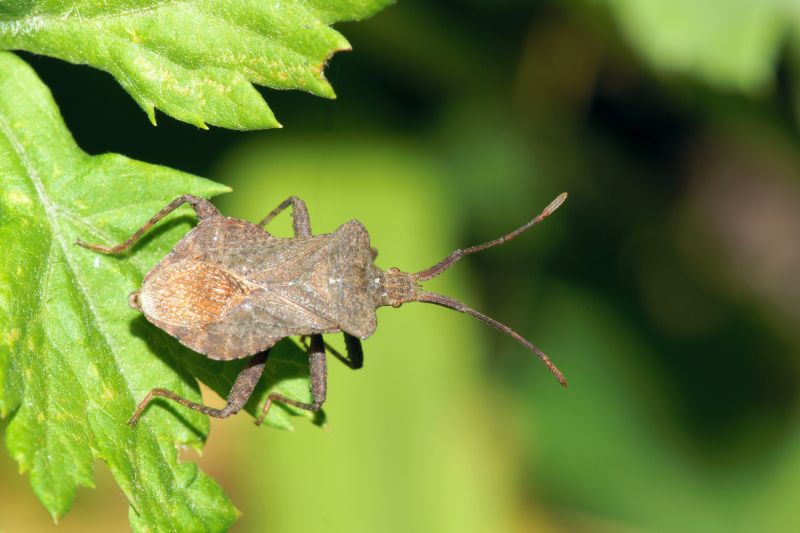
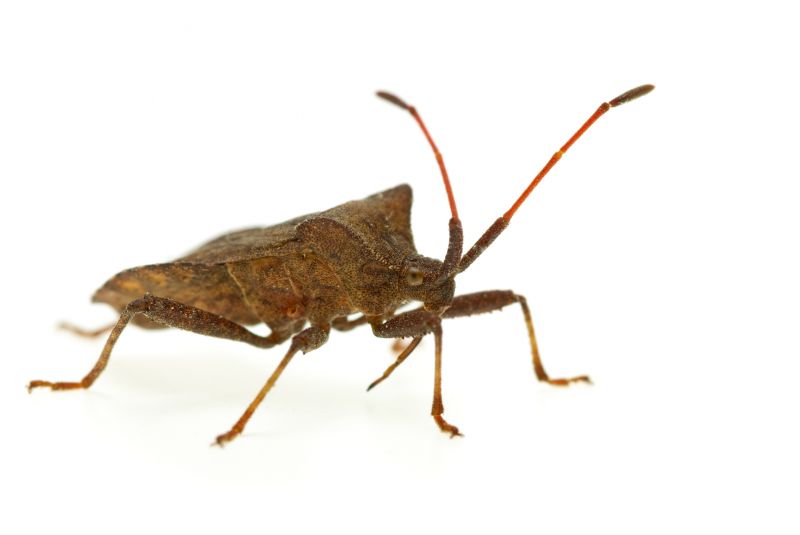
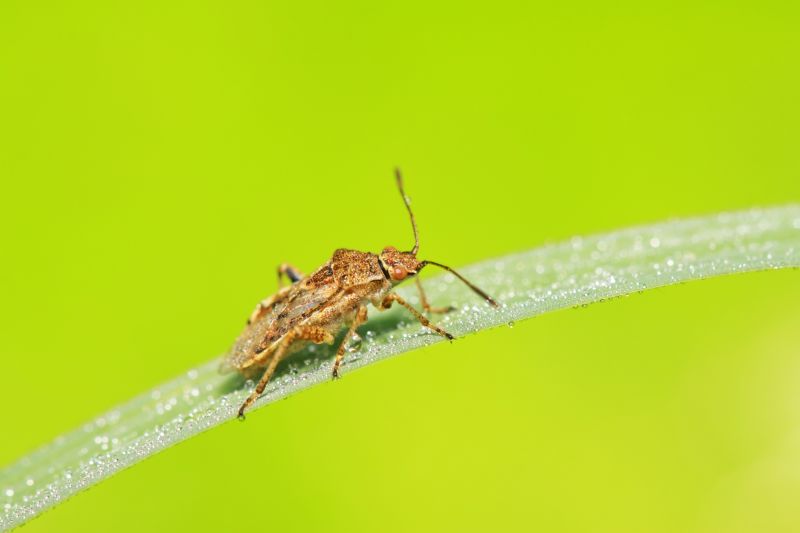
Understanding the signs you have a stinkbug infestation indoors is essential for homeowners noticing unusual activity or damage during certain times of the year. Typically, people searching this topic are concerned about identifying early warning signs that indicate these pests have entered their living spaces. Common indicators include the presence of dead or live stinkbugs in window sills, door frames, or around light fixtures. Additionally, homeowners might notice a distinctive, unpleasant odor when a stinkbug is crushed or disturbed, which can signal an infestation. Recognizing these signs early helps prevent a minor nuisance from turning into a larger problem requiring more extensive treatment.
Stinkbug infestations often relate to problems such as property damage, unpleasant odors, and increased pest activity during the fall and winter months. These insects are known to seek shelter inside homes as temperatures drop, especially in properties with easy entry points like gaps around windows, vents, and doorways. For homeowners planning to address an infestation, understanding these signs can inform decisions about when to seek professional treatment. Local service providers specializing in stinkbug control can assess the severity of the problem, identify entry points, and implement targeted solutions to eliminate the pests and prevent future invasions.
Certain types of properties are more prone to stinkbug infestations, particularly those with easy access points or that are located near wooded or agricultural areas. Residential homes, especially those with poorly sealed windows or doors, tend to attract these pests. Larger properties like farmhouses or rural retreats may also experience higher incidences due to proximity to fields or natural habitats. Commercial buildings with similar vulnerabilities can become infested as well. Recognizing whether a property’s design or location makes it susceptible can help homeowners and property managers decide when to seek assistance from local contractors who specialize in stinkbug treatment.
For homeowners noticing signs of a stinkbug infestation indoors, connecting with experienced service providers is a practical step toward effective control. These local contractors can perform thorough inspections to confirm the presence of stinkbugs and identify entry points. Once an infestation is confirmed, treatment options may include sealing entry points, applying targeted insecticides, or implementing exclusion methods to prevent re-entry. Addressing a stinkbug problem promptly can reduce odors, prevent property damage, and restore comfort inside the home. Understanding the signs of an infestation and knowing when to seek professional help are key steps in managing and resolving this common household nuisance.
Pest Inspection Services - Professionals specializing in pest inspections can identify signs of stinkbug activity and help determine if an infestation is present indoors.
Home Sealing & Weatherproofing - These projects involve sealing entry points, which is essential to prevent stinkbugs from entering and to address existing signs of infestation.
Insect Barrier Installation - Installing physical barriers around the home can help block stinkbugs and other pests, reducing ongoing signs of infestation indoors.
Ventilation & Exhaust System Services - Proper ventilation can reduce indoor attractants; local contractors can assess and improve these systems to deter stinkbugs.
Interior Pest Control Treatments - Service providers offering targeted pest control can help eliminate stinkbugs and reduce visible signs of an infestation inside the home.
Home Repair & Caulking Projects - Repairing cracks and gaps in walls and windows helps eliminate hiding spots and entry points, addressing signs of stinkbug presence effectively.
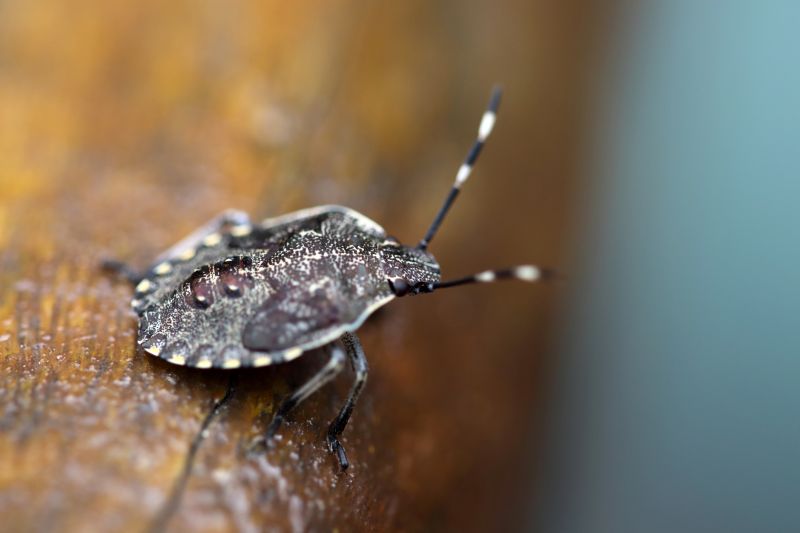
When comparing service providers for stinkbug infestation treatment, it is important to consider their experience with similar projects. Homeowners should inquire about how long a contractor has been handling pest issues like stinkbug infestations and whether they have successfully addressed indoor cases before. A contractor with a proven track record in managing these specific pests is more likely to understand the unique challenges involved and deliver effective solutions. Additionally, asking for reputable references or reviews can provide insight into the quality of work and customer satisfaction, helping to ensure that the chosen professional has a history of reliable service.
Clear written expectations are essential when evaluating local contractors for stinkbug treatment services. Homeowners should seek detailed descriptions of the scope of work, what the treatment process involves, and any preparations needed before and after the service. Having a transparent outline of what to expect minimizes misunderstandings and ensures that all parties are aligned on the project goals. Well-documented expectations also serve as a basis for comparison among different providers, making it easier to identify the most thorough and professional approach.
Effective communication is a key factor when selecting a pest control service provider. Homeowners should look for contractors who are responsive, willing to answer questions, and able to clearly explain their methods and recommendations. Good communication fosters trust and helps ensure that homeowners feel informed and comfortable throughout the process. A professional who prioritizes clarity and transparency can make the experience of addressing a stinkbug infestation less stressful, providing confidence that the service provider understands the homeowner’s concerns and can deliver appropriate solutions.
Property owners often search for signs you have a stinkbug infestation indoors when they are planning practical projects around their homes and businesses. Local pros provide Stinkbug Infestation Treatment services for everyday jobs and straightforward project options.
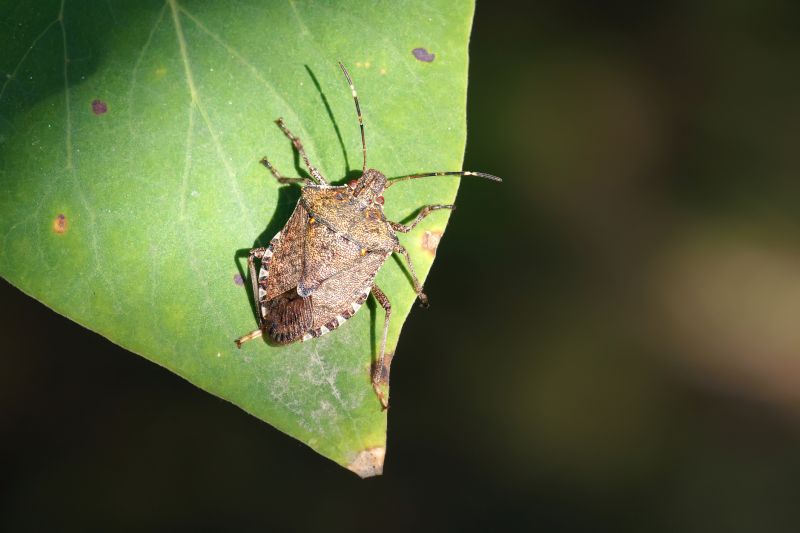
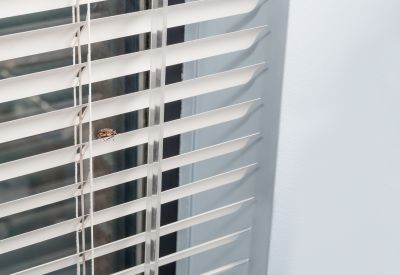
Signs you have a stinkbug infestation indoors often include the presence of these insects around windows, door frames, or other entry points. Property owners may notice an increase in these pests during certain seasons, especially as they seek warmth inside homes. Additionally, spotting dead or live stinkbugs in living spaces or finding small, brown droppings can be clear indicators of an active infestation. Recognizing these signs early can help prevent a larger problem, prompting homeowners to seek the expertise of local contractors who specialize in stinkbug treatment and removal.
When signs of a stinkbug infestation become apparent, many property owners turn to local service providers for effective treatment options. These professionals can assess the situation, identify entry points, and implement targeted solutions to eliminate the pests. Engaging with experienced contractors ensures that the infestation is handled properly, reducing the likelihood of recurring issues and helping maintain a pest-free indoor environment.
What are common signs of a stinkbug infestation indoors? Indicators include seeing live or dead stinkbugs in your home, especially near windows, doors, or light sources, along with a strong, musty odor when they are disturbed or crushed.
How can I tell if stinkbugs are hiding inside my walls or attic? You might notice increased stinkbug activity during certain seasons, or find small clusters of bugs in cracks, crevices, or around vents, which suggests they are hiding within the structure.
Are there any visible signs of damage caused by stinkbugs indoors? While stinkbugs typically do not cause structural damage, their presence can lead to stained or damaged fabric, curtains, or stored food items if they invade pantry areas.
What should I do if I notice a stinkbug infestation in my home? It is advisable to contact local contractors who specialize in stinkbug treatment services to safely remove the pests and prevent future invasions.
Can stinkbug infestations be prevented or minimized? Yes, professionals can identify entry points and recommend sealing strategies or treatments to help reduce the likelihood of future infestations indoors.
Seeing dead stinkbugs in your home can indicate an ongoing infestation, prompting property owners to seek professional treatment services.
Noticing a strong, unpleasant odor when entering certain rooms may be a sign that stinkbugs are hiding nearby, encouraging inspections by local contractors.
Finding clusters of stinkbugs around windows or door frames suggests entry points that need sealing, which local pros can address during treatment.
Experiencing an increase in stinkbug sightings during seasonal changes can lead property owners to schedule preventative treatments with nearby service providers.
If you are thinking about signs you have a stinkbug infestation indoors for a property, this guide is meant to help you understand this topic, the typical project types, and how different options might fit your plans.
When you are ready, you can use the quote form on this page to share a few details about your project. From there, local pros can review the basics and follow up with options that match what you have in mind.