How Routine Pest Control Helps Prevent Major Infestations
Routine pest control helps prevent major infestations by keeping pests under control through regular treatments provided by local contractors.
Understanding how routine pest control helps prevent major infestations is key for property owners looking to protect their homes and businesses. Regular pest management services can identify early signs of pest activity, addressing potential issues before they escalate into full-blown invasions. Local contractors who specialize in routine pest control use targeted treatments and inspections to keep pests at bay, providing peace of mind and maintaining a pest-free environment. For those in the area, exploring these services offers a practical way to stay ahead of common pests and avoid the costly damage that can come with neglecting pest prevention.
For property owners in the region, maintaining a consistent pest control routine is a proactive step toward safeguarding their investments. Routine services are designed to disrupt pest life cycles and eliminate hiding spots, reducing the likelihood of pests establishing a major presence. Local service providers can tailor their approach to suit the specific needs of the property, ensuring ongoing protection and minimizing surprises. Keep reading to learn how these regular treatments can be an effective part of a comprehensive pest management strategy, helping to prevent the inconvenience and damage associated with major infestations.
- Rodent prevention - homeowners noticing signs of rodents may seek routine pest control to set up ongoing safeguards that prevent infestations from developing.
- Ant control - when ants become a recurring nuisance, local contractors implement regular treatments to keep colonies at bay before they grow into larger problems.
- Termite monitoring - property owners concerned about termites often rely on routine pest control to detect early activity and prevent extensive damage.
- Spider management - those experiencing frequent spider sightings may contact local service providers to establish preventative measures that reduce future encounters.
- General pest prevention - households aiming to maintain a pest-free environment frequently schedule routine pest control to address common pests proactively.

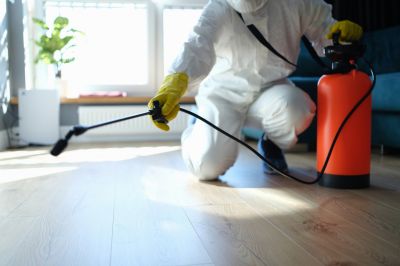
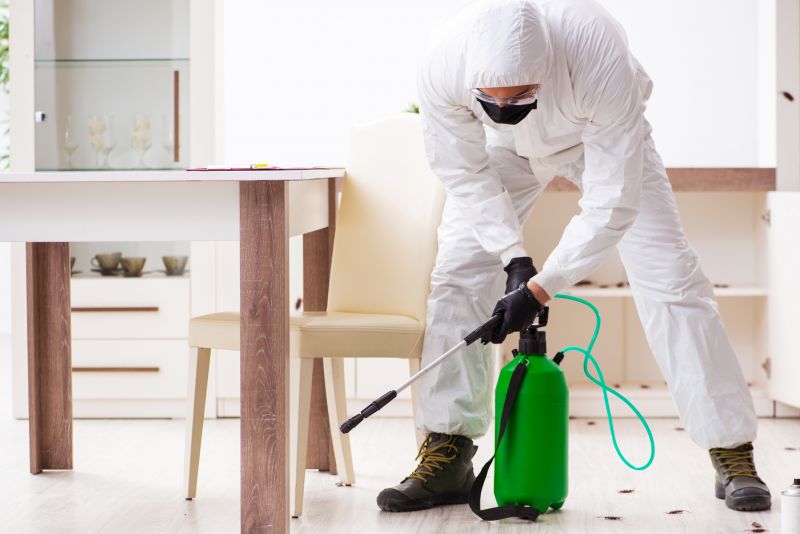
When homeowners search for how routine pest control helps prevent major infestations, they are often seeking to understand the benefits of ongoing pest management efforts. This approach involves regular treatments aimed at controlling pests before they become a significant problem. People typically want to know how consistent service can reduce the risk of unexpected invasions by common household pests such as ants, cockroaches, rodents, or termites. By maintaining a proactive schedule, property owners hope to avoid the inconvenience, damage, and health concerns that come with large-scale infestations, making routine pest control a key part of their overall property management plan.
This topic is closely related to a variety of problems and preventative strategies that homeowners consider when protecting their properties. Major infestations can cause extensive damage to structures, furnishings, and even personal belongings, especially when pests like termites or rodents are involved. Routine pest control plans often include inspections, targeted treatments, and ongoing monitoring to catch early signs of pest activity. These proactive measures help address potential issues before they escalate, saving homeowners from costly repairs and invasive cleanup efforts later. Many plans are designed to fit specific property needs, whether for a single-family home, multi-unit residential building, or commercial property, emphasizing the importance of tailored pest management strategies.
The types of properties that typically come up in discussions about routine pest control include residential homes, apartment complexes, and small commercial buildings. Homes are often the primary focus since they provide a welcoming environment for pests seeking food, water, and shelter. Apartments and multi-family dwellings are also common targets because pests can easily spread between units if not managed regularly. Commercial properties like restaurants, offices, or retail spaces may also require routine pest control to meet health standards and prevent infestations that could disrupt operations. In each case, local service providers bring experience in managing the unique challenges of different property types, helping to implement effective preventative treatments.
Understanding how routine pest control helps prevent major infestations highlights the importance of consistent service from local contractors. These professionals perform regular inspections and treatments designed to eliminate existing pests and prevent new ones from establishing themselves. They focus on identifying early signs of pest activity, sealing entry points, and applying targeted treatments that keep pests at bay. For homeowners, engaging with local pros creates a proactive barrier against infestations, reducing the likelihood of expensive damage and disruption. Routine pest control becomes an essential part of property maintenance, supporting long-term pest management goals and ensuring a healthier, pest-free environment for residents and businesses alike.
Termite Inspection and Treatment - local contractors perform regular inspections and treatments that help identify early signs of termite activity, preventing larger infestations.
Rodent Control Projects - professionals implement trapping, sealing, and baiting strategies to reduce rodent populations before they cause significant damage.
Spider and Insect Barrier Services - routine barrier treatments by local pros help keep common household pests at bay and prevent their buildup over time.
Wildlife Exclusion Services - local contractors use planning and exclusion techniques to prevent animals like raccoons and squirrels from entering structures.
Mosquito and Tick Control Programs - regular application of targeted treatments helps reduce vector populations and minimizes the risk of infestations indoors.
Preventive Pest Management - general pest control services focus on routine inspections and treatments that help stop pests before they become major problems.
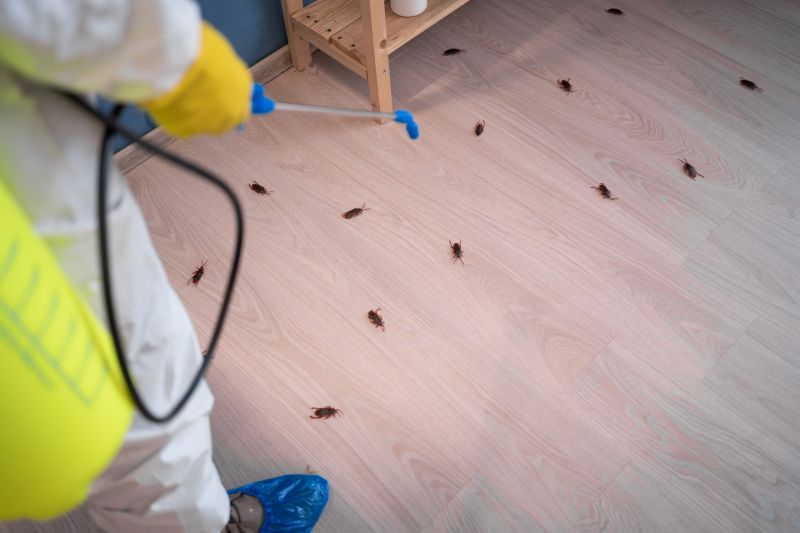
When evaluating different service providers for routine pest control, it’s important to consider their experience with similar projects. Homeowners should inquire about how long a contractor has been handling pest prevention in residential settings and whether they have a track record of effectively managing pests before infestations develop. An experienced local contractor will typically understand the common pest issues specific to the area and be familiar with the most effective prevention strategies, helping to ensure that routine treatments are thorough and tailored to prevent major infestations.
Clear written expectations are also a key factor when comparing local contractors. Homeowners should look for providers who offer detailed explanations of what their routine pest control services include, such as the frequency of treatments and areas covered. Having well-defined expectations helps prevent misunderstandings and ensures that both parties are aligned on the scope of work. It also provides a basis for assessing whether the service provider’s approach matches the homeowner’s needs for ongoing pest prevention.
Reputable references and good communication are essential when selecting a local contractor. Homeowners can ask for recommendations or reviews from previous clients to gauge the quality of service and reliability. Additionally, effective communication from the service provider-such as responsiveness to questions and clarity in explaining treatment plans-can make the process smoother and more transparent. Choosing a contractor known for clear, consistent communication and positive references can increase confidence that routine pest control will be performed properly, ultimately helping to prevent major pest infestations before they take hold.
Property owners often search for how routine pest control helps prevent major infestations when they are planning practical projects around their homes and businesses. Local pros provide Routine Pest Control services for everyday jobs and straightforward project options.
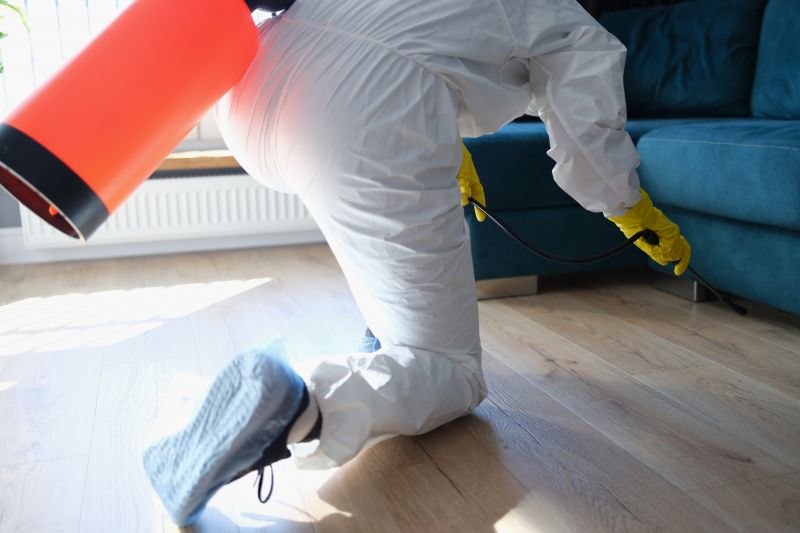
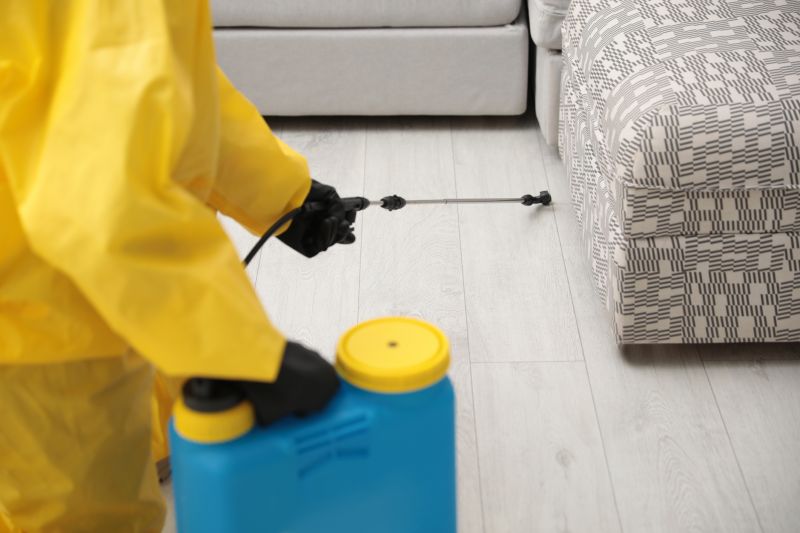
Routine pest control services are an effective way for property owners to stay ahead of potential infestations. Regular treatments help eliminate pests before they can establish themselves deeply within a property, reducing the risk of larger, more difficult-to-manage problems later on. By scheduling consistent visits with local contractors, homeowners can maintain a proactive approach to pest management, addressing small issues early and preventing them from escalating into major infestations that could cause property damage or health concerns.
For those living in the area, understanding how routine pest control helps prevent major infestations highlights the importance of ongoing maintenance. Local service providers offer targeted treatments designed to keep common pests at bay, minimizing the chances of an infestation taking hold. Engaging with experienced professionals ensures that pest control efforts are thorough and tailored to the specific needs of the property, providing peace of mind and helping to avoid the disruptive and costly consequences of unchecked pest problems.
How does routine pest control help prevent major infestations? Routine pest control services target pests early, reducing the chances of small problems turning into large, difficult-to-manage infestations by eliminating pests before they reproduce extensively.
Why is regular pest control important for infestation prevention? Regular treatments help maintain a barrier against pests, addressing potential entry points and nesting sites before pests can establish large colonies or cause significant damage.
What role do local contractors play in preventing pest infestations? Local service providers conduct consistent inspections and treatments, which help identify and address pest activity early, preventing minor issues from escalating into major infestations.
Can routine pest control reduce the risk of pests spreading inside the home? Yes, routine pest control creates ongoing protection that limits pest movement and nesting, decreasing the likelihood of pests spreading throughout the property.
How does routine pest control contribute to long-term pest management? It helps maintain a pest-free environment by proactively managing pest populations, which reduces the chances of infestations developing into serious problems over time.
Regular inspections - routine pest control services include scheduled inspections that help identify early signs of pest activity before an infestation develops.
Preventative treatments - applying preventative pest control treatments around the property creates a barrier that discourages pests from entering or establishing nests.
Monitoring and adjustments - ongoing pest management allows service providers to monitor pest trends and adjust treatments to address emerging threats effectively.
Education and advice - local contractors can provide property owners with tips on reducing pest attractants and maintaining a pest-resistant environment.
If you are thinking about how routine pest control helps prevent major infestations for a property, this guide is meant to help you understand this topic, the typical project types, and how different options might fit your plans.
When you are ready, you can use the quote form on this page to share a few details about your project. From there, local pros can review the basics and follow up with options that match what you have in mind.